
"espresso price rise Europe"
200 article(s) found
World boutique coffee beans: a detailed introduction to the classification of coffee beans in Brazil
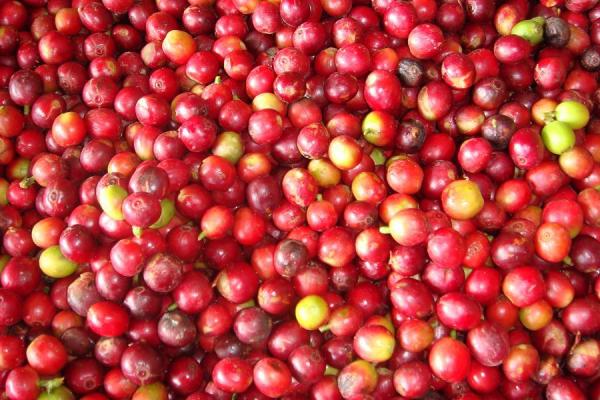
Brazilian coffee generally refers to coffee produced in Brazil. There is a wide variety of Brazilian coffee, the vast majority of which are unwashed and sun-dried, classified according to the name of the state of origin and the port of transport. Brazil has 21 states and 17 states produce coffee, but four of them produce the largest, accounting for 98% of the country's total output. Brazilian coffee has a low sour taste, which goes well with coffee.
What are the characteristics of Ethiopian coffee beans? introduction to the varieties and prices of Ethiopian coffee
Professional coffee knowledge exchange more coffee bean information please follow the coffee workshop (Wechat official account cafe_style) Ethiopia Coffee Front Street introduction Harar Hara is located in the Eastern Highlands of Ethiopia (Harerge Province) and grows between 5000 and 7000 feet above sea level. It was still wild on the slopes a century ago, and most of the raw beans are medium size and long at both ends, green in color.
What is the taste of American coffee, Long Black and Lungo? the definition of espresso
American coffee = Espresso+ water and a kind of black coffee called "LongBlack" is popular in Australia. As the name implies, it is a cup of coffee without milk. Basically, black coffee is milk-free and is suitable for people who are lactose intolerant or don't like milk. LongBlack

Coffee beans are mostly named as the country of production or origin or port of shipment, the origin of Brazilian Santos coffee beans.
For professional baristas, please pay attention to the coffee workshop (Wechat official account cafe_style) Coffee beans are subdivided by the name of the country of production or origin or port of shipment, such as the size or quality of beans, the elevation of the cultivation place and other characteristics, but even if the coffee of the same name, its taste and aroma will still vary due to factors such as harvest year, climate, harvest, or in the refining process.

Which country has the best coffee?
Following Cafe Review (Wechat official account vdailycom) found that Fairview Cafe opened a small shop of its own. Coffee from each country represents The Gibraltar in the United States. Coffee drinkers drink an average of 3.1cups of coffee a day. 103 million Americans over the age of 18 (about 1/3 of the American population) drink coffee every day. Italy Espresso Romano Italy is European

Have you ever had a real mocha? the difference between Yemeni mocha and mocha?
More information about coffee beans Please follow Coffee Workshop (Wechat official account cafe_style) Coffee originated in Ethiopia, which is located in the highlands of East Africa, and has been producing high-grade Karabica hand-dried coffee beans, named after Gudu Hara, for nearly 2000 years. More than 1500 years ago, coffee trees were introduced to Yemen on the other side of the Red Sea

American boutique coffee beans Brazil big country coffee beans
Brazilian coffee beans generally refer to coffee produced in Brazil. There is a wide variety of Brazilian coffee, the vast majority of which are unwashed and sun-dried, classified according to the name of the state of origin and the port of transport. Brazil has 21 states and 17 states produce coffee, but four of them produce the largest, accounting for 98% of the country's total output. Brazilian coffee has a low sour taste.

Brazilian coffee characteristics, Brazilian coffee bean flavor, how to drink Brazilian coffee?
Professional coffee knowledge exchange more information about coffee beans please follow the coffee workshop (Wechat official account cafe_style) Brazilian coffee, which generally refers to coffee produced in Brazil. There are many kinds of coffee in Brazil. Like other Arabica coffee, Brazilian coffee is called Brazils to distinguish it from Milds coffee. Most Brazilian coffee is unwashed and sun-dried, according to the name of the state of origin and
American and Brazilian coffee beans, where fine coffee is produced.
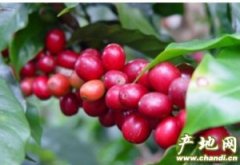
Brazilian coffee beans generally refer to coffee produced in Brazil. There is a wide variety of Brazilian coffee, the vast majority of which are unwashed and sun-dried, classified according to the name of the state of origin and the port of transport. Brazil has 21 states and 17 states produce coffee, but four of them produce the largest, accounting for 98% of the country's total output. Brazilian coffee has a low sour taste.
Brazilian coffee bean boutique coffee bean common sense
Brazilian coffee generally refers to coffee produced in Brazil. There is a wide variety of Brazilian coffee, the vast majority of which are unwashed and sun-dried, classified according to the name of the state of origin and the port of transport. Brazil has 21 states and 17 states produce coffee, but four of them produce the largest, accounting for 98% of the country's total output. Brazilian coffee has a low sour taste, which goes well with coffee.
Knowledge of World Fine Coffee and knowledge of Brazilian Coffee
Brazilian coffee generally refers to coffee produced in Brazil. There is a wide variety of Brazilian coffee, the vast majority of which are unwashed and sun-dried, classified according to the name of the state of origin and the port of transport. Brazil has 21 states and 17 states produce coffee, but four of them produce the largest, accounting for 98% of the country's total output. Brazilian coffee has a low sour taste, which goes well with coffee.

Difference between Yemeni mocha coffee, mocha pot coffee and mocha coffee how much is a cup of mocha coffee
More information about coffee beans Please follow Coffee Workshop (Wechat official account cafe_style) Coffee originated in Ethiopia, which is located in the highlands of East Africa, and has been producing high-grade Karabica hand-dried coffee beans, named after Gudu Hara, for nearly 2000 years. More than 1500 years ago, coffee trees were introduced to Yemen on the other side of the Red Sea

General knowledge of the origin of coffee beans: a brief introduction to Brazilian coffee beans
Brazilian coffee has been growing single crops for a long time and developing the tropical plantation economy, so Brazilian coffee has been its pillar industry for a long time. From the market point of view, coffee and its processed products play an important role in mental workers because they are rich in caffeine and exhilarating, so they play a huge role in modern society, so the market is wide.

The origin of coffee beans introduces the common sense of Brazilian coffee beans
Brazilian coffee generally refers to coffee produced in Brazil. There is a wide variety of Brazilian coffee, the vast majority of which are unwashed and sun-dried, classified according to the name of the state of origin and the port of transport. Brazil has 21 states and 17 states produce coffee, but four of them produce the largest, accounting for 98% of the country's total output. Brazilian coffee has a low sour taste, which goes well with coffee.
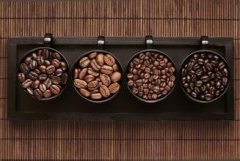
A brief introduction to the flavor, taste and aroma characteristics of Brazilian boutique coffee beans
Other kinds of Brazilian coffee, such as Rio and Parana, can be produced in large quantities because they do not need too much care. Although they taste rough, they can be regarded as a kind of good and cheap coffee. Because they are distributed all over Brazil and their solid quality varies, they have their own standards (NO.2~NO.8 according to the number of sundries, NO.13~NO.19 according to the size of beans, and six according to taste).
The extraction method of individual coffee bean market coffee price China Coffee Trading Network
Coffee extraction edits the original flavor (without adding any other excipients) Coffee extraction methods: steaming, pressurization, gravity, leaching, ice brewing. The following is a brief introduction of several single coffee extraction tools and how to use A. Siphon pot (with acting effect, the most common method of making coffee) B. Filter paper dripping (also known as hand flushing, the simplest method of punching) C.
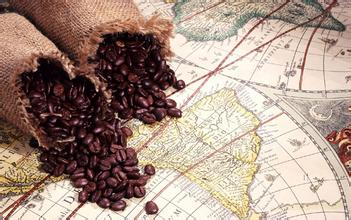
Boutique coffee beans-details of Brazilian coffee beans take you into the mysterious world of coffee
Brazilian coffee generally refers to coffee produced in Brazil. There is a wide variety of Brazilian coffee, the vast majority of which are unwashed and sun-dried, classified according to the name of the state of origin and the port of transport. Brazil has 21 states and 17 states produce coffee, but four of them produce the largest, accounting for 98% of the country's total output. Brazilian coffee has a low sour taste, which goes well with coffee.
Tell me about Brazilian coffee.
Brazilian coffee generally refers to coffee produced in Brazil. There is a wide variety of Brazilian coffee, the vast majority of which are unwashed and sun-dried, classified according to the name of the state of origin and the port of transport. Brazil has 21 states and 17 states produce coffee, but four of them produce the largest, accounting for 98% of the country's total output. Brazilian coffee has a low sour taste, which goes well with coffee.
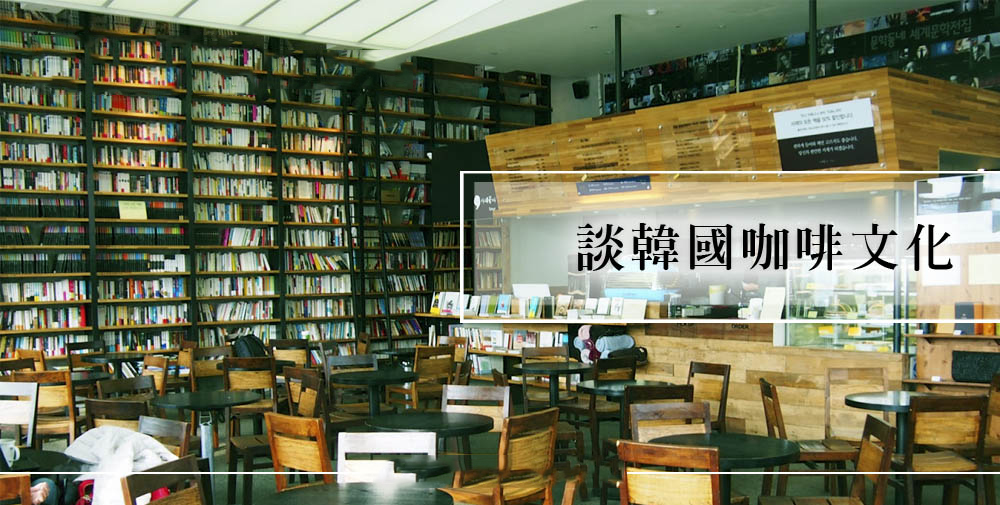
In addition to fried chicken, beer and kimchi, South Korea has an unexpected coffee culture.
The exchange of professional baristas please follow the coffee workshop (Wechat official account cafe_style) if someone asks you what the global industry in Korea is, I think you will be the first to say that it is the entertainment industry with a large number of idols. After all, their global achievements are really very eye-popping, as well as the electronics industry of well-known brands such as LG and Samsung. But it never occurred to you that they still

How to drink black coffee beans _ how to distinguish good or bad black coffee beans _ brand recommendation of black coffee beans
Professional coffee knowledge exchange more coffee bean information please pay attention to the coffee workshop (Wechat official account cafe_style) SCAA (American boutique coffee association) or SCAE (European boutique coffee association) CUPPING (cup test) standard to find this book can read all, the usual treatment and flavor in each producing area is very complex, flavor wheel and other learning costs are too high. For regular coffee